
← Back to blog
OpsMar 13, 2026

Affiliate management: a simple weekly operating cadence

A weekly checklist that keeps the channel moving without chaos
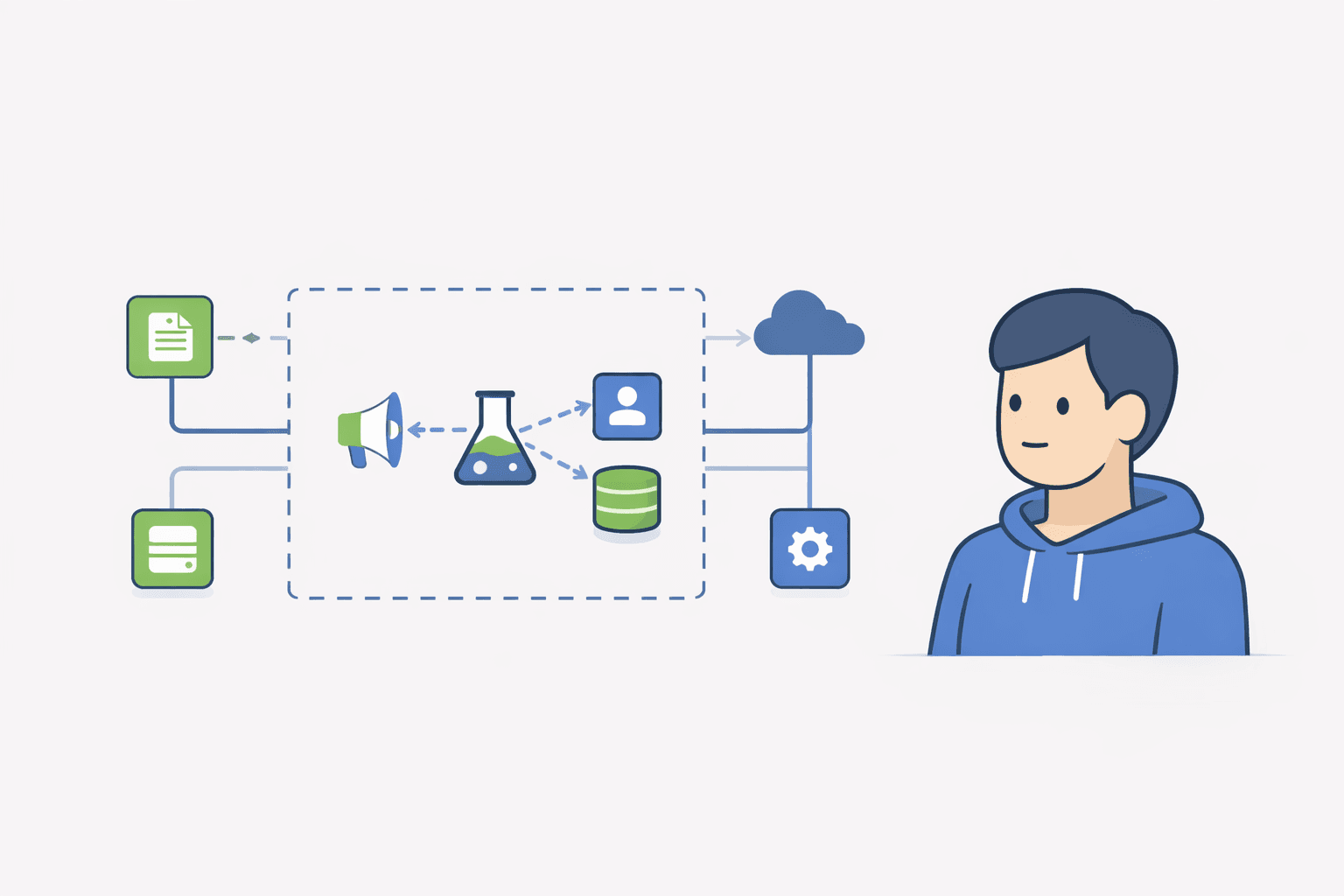
Weekly affiliate management cadence checklist

Affiliate management sounds like growth, but it is mostly operations. If you want affiliates to keep promoting you, you need a predictable cadence: approvals, refunds, payout prep, and a short feedback loop. This post gives a simple weekly process you can actually stick to.

Table of contents

Definition and when it matters

Affiliate management is the ongoing work of keeping tracking, approvals, and payouts consistent. You feel it when volume grows or when refunds and disputes start to appear.

The workflow (inputs, rules, edge cases, outputs)

Inputs

  • New partners and applications
  • Clicks, conversions, paid invoices
  • Refunds and chargebacks
  • Partner questions and disputes

Rules

  • Attribution window
  • Approval rules
  • Payout schedule and threshold
  • Refund clawback policy

Edge cases

  • Refund after approval
  • Coupon leakage
  • Suspicious self-referrals
  • Plan upgrades and downgrades

Outputs

  • Approved commissions
  • A payout-ready export
  • A short weekly report to yourself

Weekly cadence (Mon to Fri)

Monday: pipeline and partner health

  • Check new affiliates: approve or reject quickly
  • Look for partners with clicks but no conversions (landing page mismatch)
  • Spot one partner to help (assets, deep link, messaging)

Tuesday: tracking sanity check

  • Pick 3 recent conversions and trace them end to end (click or coupon to invoice)
  • Verify your attribution rule is applied consistently
  • Note any missing events (refunds, renewals)

Wednesday: approvals and edge cases

  • Review pending commissions and approve what is safe
  • Handle refunds before you pay
  • Document any manual adjustments as ledger line items

Thursday: partner enablement

  • Update the portal FAQ based on this week’s questions
  • Add 1 new asset or a better landing page deep link
  • Send one short update to active partners (what works this week)

Friday: payout prep and weekly report

  • Generate payout export and double-check top earners
  • List disputes and root causes (tracking, rules, leakage)
  • Write a 5-line weekly summary: what worked, what broke, what to fix next week
  • Do tracking sanity checks weekly, not monthly
  • Keep payouts on a predictable schedule (monthly or Net 30)
  • Keep approval manual for the first cycles
  • Publish rules in the portal so questions do not become disputes

Copy/paste templates

Template: weekly partner update

Quick update: here are the 2 landing pages converting best this week and the one message angle that is working. If you want a deep link to a specific page, reply with what you are promoting and I will send the best destination.

Template: dispute response

Thanks for flagging this. We apply our published attribution rule (window + last click). I reviewed the click and coupon data and the conversion was credited according to that rule. If you think a specific event is missing, share the timestamp and I will trace it to the invoice.

Common mistakes

  • Letting approvals pile up. Fix: approve or reject quickly so partners trust the system.
  • Paying before refunds are processed. Fix: handle refunds first, then pay.
  • Changing rules mid-cycle. Fix: change rules at the next payout cycle.
  • No portal rules summary. Fix: put the rule next to the numbers.

Metrics

  • Active affiliates per month
  • Disputed credits per 100 conversions
  • Refund rate on affiliate conversions
  • Minutes spent per payout cycle

FAQ

How often should I pay affiliates?

Monthly or Net 30 is the simplest. More frequent payouts increase admin work and fees.

What is the fastest way to reduce disputes?

Publish one clear rule and show statuses (pending, approved, paid). Most disputes are really confusion.

Mistake #1: Buying software before writing rules

Most tool decisions go wrong because the program rules are not defined. If you cannot write your rules in plain English, you cannot configure software to enforce them.

What to write first (one page)

  • Attribution window (e.g., 30 days)
  • Attribution model (last-click vs first-click)
  • What counts as a conversion (first paid invoice is a good default)
  • Refund/chargeback rule (cancel, and claw back if already paid)
  • Payout schedule + threshold (e.g., monthly, $50 minimum)

Mistake #2: Confusing referral vs affiliate vs partner

A referral program, an affiliate program, and a partner program are different business models. Tools often support all three, which makes it easy to accidentally build the wrong one.

If you are early, start with the smallest affiliate test you can audit. Do not buy a ‘partner platform’ because it sounds more serious.

Mistake #3: Optimizing for dashboards instead of auditability

Pretty charts do not prevent disputes. Auditability does. The key question is: can you trace a payout line item back to a specific invoice (and to the click/coupon that earned it)?

What auditability looks like

  • Stable partner id
  • Customer id + subscription id
  • Invoice ids as the source of truth
  • Statuses (pending/approved/paid/canceled)
  • An adjustments ledger (refunds/clawbacks are explicit line items)

Mistake #4: Ignoring refunds and chargebacks

Refund logic is where most affiliate programs get emotionally expensive. If your tool cannot keep commissions pending until the refund window closes — or cannot claw back cleanly — you will either overpay or fight with partners.

When evaluating tools, simulate a payout cycle with refunds. That single test reveals most ‘it looked great in the demo’ failures.

Mistake #5: Automating payouts too early

Automatic payouts sound like efficiency, but early-stage affiliate programs need manual review. The safe path is: automate tracking and reporting first; keep payout approval manual until rules and data are stable.

Mistake #6: Over-indexing on coupon tracking

Coupons can be useful, but they are also a leakage vector. Many SaaS founders accidentally turn their affiliate program into a discount program.

  • Start with link attribution
  • Use coupons only for named partners who require them
  • Publish a conflict rule: coupon vs last link click

Deep links improve conversion, but you need destination rules. If partners can send traffic to any URL (including login, billing, or unreviewed pages), you can create fraud and brand problems.

A simple decision checklist

  • Can we export a full ledger (including adjustments)?
  • Can we trace a commission to an invoice id?
  • Can we keep payouts manual and batch them?
  • Can we represent refunds as cancellations/clawbacks cleanly?
  • Can we explain the rule set in 5 sentences?

If the answer is ‘no’ to any of these, the tool might still work — but you should expect ops pain later.

FAQ

What is the most important feature in affiliate marketing software for SaaS?

Auditability. If you cannot explain a number, you will not trust payouts — and neither will your affiliates.

Should I use a network/marketplace?

Treat networks as optional distribution. Your first priority is having rules and payout ops you can run consistently.

When should I automate payouts?

After you have run a few payout cycles, your refund behavior is understood, and disputes are rare. Automate repetition, not uncertainty.

Want this Playbook in your inbox?

I share practical notes on affiliate programs for SaaS.No spam. No hype.

Unsubscribe anytime. No spam.

Ready to launch?

If Rewardful feels like overkill, start simple: signup page + links + Stripe-attributed revenue.

Related posts

Affiliate platform migration checklist and questions

Affiliate platforms: questions to ask before you migrate (SaaS)

A practical checklist for migrating affiliate platforms in SaaS: what to export, how to compare ledgers, how to handle refunds and clawbacks, and the safest cutover plan.

Read article

Affiliate tracking for subscriptions: events and edge cases

Affiliate tracking for subscriptions: what changes vs one-time sales (a practical guide)

A founder-friendly guide to affiliate tracking for SaaS subscriptions: which event earns commission, how to handle trials and plan changes, how recurring commissions work, and the tests that catch broken attribution.

Read article