
Affiliate platforms: questions to ask before you migrate (SaaS)
A practical checklist for migrating affiliate platforms in SaaS: what to export, how to compare ledgers, how to handle refunds and clawbacks, and the safest cutover plan.
Read articleHow to choose an attribution method you can still defend on payout day
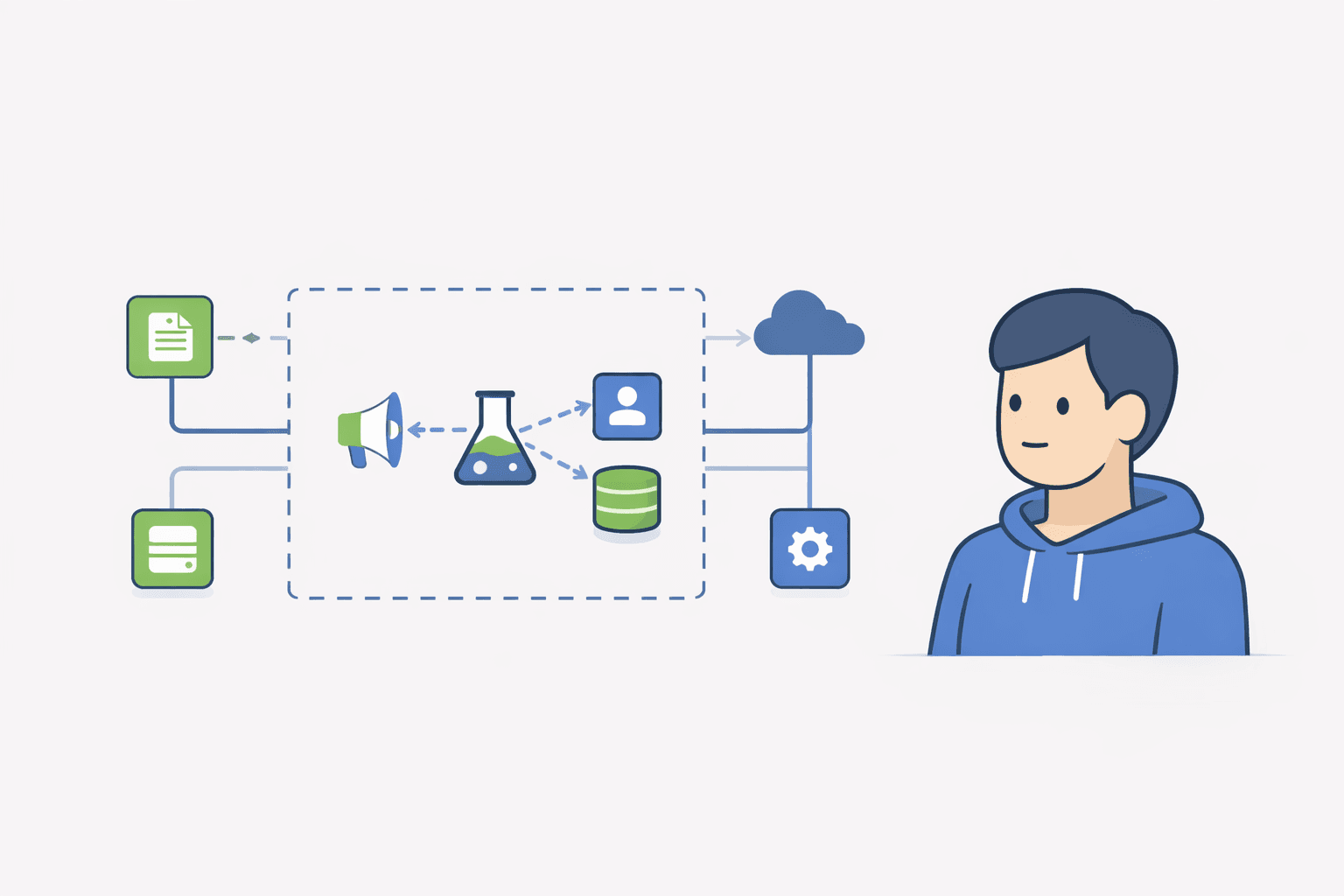
If you’re choosing affiliate tracking for a SaaS program, the hard part is not tracking a click. The hard part is choosing a rule you can defend when payouts happen.
This guide breaks down affiliate tracking cookie vs coupon (plus email domain matching): what each method is good for, what breaks first, and a simple default you can copy/paste.
For most SaaS affiliate programs, use link-based cookie attribution as the primary rule, allow coupons only for named partners, and treat email domain matching as a manual review signal rather than an automatic commission trigger.
Attribution is the rule that decides who gets credit for a conversion. If the rule is unclear, you will see disputes during payouts.
Best when you want clean tracking without discounts. Breaks when users switch devices or block cookies.
Best for creators who need a code. Breaks when coupons leak to deal sites and you pay for customers you would have gotten anyway.
Useful in B2B when partners refer companies and you want a second signal. Breaks when people sign up with personal emails first.
| Method | Best for | What breaks first |
|---|---|---|
| Cookie / link attribution | Clean non-discount tracking | Cross-device or cookie resets |
| Coupon attribution | Creators who need a code | Code leakage and low-incrementality discounts |
| Email domain matching | B2B referrals and partner review | Users signing up with personal emails first |
Coupon fallback: If a coupon code is used, we attribute the conversion to the coupon owner unless a different affiliate link click happened within the last 24 hours.
The safest default is link-based attribution with a clear last-click window. It is easier to explain, easier to audit, and less likely to turn your affiliate program into a blanket discount channel.
Only if you write that rule down. Many SaaS teams use a coupon fallback rule instead: the coupon gets credit unless a different qualified affiliate click happened in the last 24 hours.
Only if your partners require them. Coupons are powerful, but leakage is real.
Next step today: write your rules in one page, then test with a small pilot before you scale.
I share practical notes on affiliate programs for SaaS.No spam. No hype.
Unsubscribe anytime. No spam.
Ready to launch?
If Rewardful feels like overkill, start simple: signup page + links + Stripe-attributed revenue.
A practical checklist for migrating affiliate platforms in SaaS: what to export, how to compare ledgers, how to handle refunds and clawbacks, and the safest cutover plan.
Read article
A founder-friendly guide to affiliate tracking for SaaS subscriptions: which event should earn commission, how to handle trials and plan changes, how recurring commissions work, and the tests that catch broken attribution.
Read article