
Affiliate platforms: questions to ask before you migrate (SaaS)
A practical checklist for migrating affiliate platforms in SaaS: what to export, how to compare ledgers, how to handle refunds and clawbacks, and the safest cutover plan.
Read articleA simple way to choose tools without getting stuck in feature checklists
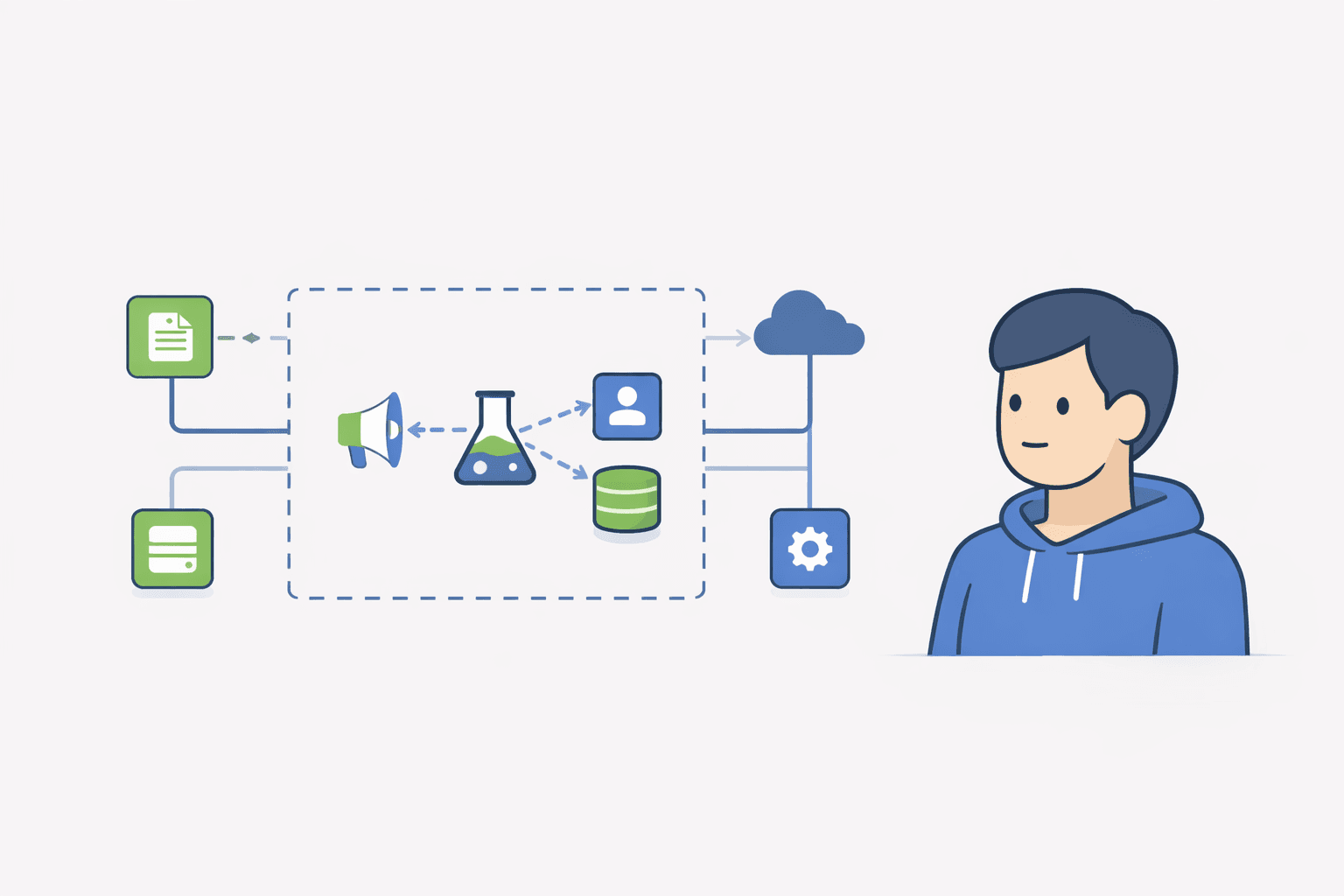
People use “affiliate platform” and “affiliate software” interchangeably. In practice they often mean different things. This post explains the difference, the tradeoffs, and a simple default choice for a small SaaS.
Affiliate software usually means tooling: tracking, links, reporting, and payout-ready exports.
Affiliate platform often implies a broader system: workflows, partner onboarding, sometimes a marketplace or network, and more automation around payouts and communication.
Neither label guarantees quality. What matters is whether it fits your stage and your tolerance for ops.
| Term | Usually includes | Where it breaks |
|---|---|---|
| Software | Tracking + reporting + payout exports | You still need written rules (refunds, coupons, approvals) |
| Platform | Workflows + automation + partner management | Complexity (you configure more than you recruit) |
| Network/marketplace | Discovery + a pool of affiliates | Quality control (noise) + attribution disputes if rules are vague |
Takeaway: choose for auditability first. Words like platform/network are marketing — your payout process is what matters.
Use this section as a decision lens. Don’t ask ‘which tool has features’. Ask: which option keeps attribution auditable and payouts boring?
| Option | Best for | Pros | What breaks first |
|---|---|---|---|
| Lightweight software (tracking + exports) | First program / <20 active partners | Simple, auditable, easy to switch | Manual ops load if you scale too fast |
| Full platform (workflows + automation) | Stable rules + higher volume | More automation + partner management | Complex configuration and hidden edge cases |
| Platform with a network/marketplace | Discovery is part of your strategy | Potential partner discovery | Noise/quality control + last-click disputes |
Who it fits: early-stage SaaS that wants to test partners without committing to heavy automation.
What breaks first: manual ops if you scale too fast without process.
Who it fits: programs with stable rules, higher volume, and a team to run ops.
What breaks first: complexity. You spend time configuring instead of recruiting partners.
Who it fits: B2B SaaS that wants partner discovery as part of the product.
What breaks first: misaligned incentives and noisy partners if quality control is weak.
If you want the full decision tree as a standalone supporting page, use this: /blog/best-affiliate-platform-for-small-saas-decision-tree.
Short version: choose for auditability first. If you can’t trace a payout line item back to an invoice id and an attribution signal, the tool will create disputes later.
| Question | If yes | If no |
|---|---|---|
| Do you have <10 active affiliates and want maximum control? | Start with lightweight software (tracking + exports) and manual payout review. | You likely need a platform with a ledger + approvals. |
| Do affiliates require coupon codes? | Choose coupon support + write a conflict rule. | Prefer link-only tracking (cleaner, fewer disputes). |
| Do you need subscriptions + refunds handled cleanly? | Pick software/platform that supports subscription events + refunds/chargebacks. | Start with one-time commission on first paid invoice. |
| Can you audit payouts (invoice id + adjustments)? | Good — you’re choosing for auditability. | Avoid it. Dashboards won’t save you on payout day. |
If you don’t have strong requirements yet, use this default. It is boring — and boring is what you want in ops:
Decision rule: If you are still changing your commission rules every month, you want software, not a full platform. Once rules are stable and volume is high, you can justify platform complexity.
No. Most programs start with simple software and a clear payout process. Complexity is optional.
Simulate one payout cycle with refunds. If you cannot explain the numbers, it is the wrong tool.
“Platform” versus “software” is mostly a question of stage. Start with what keeps payouts clear. Add automation when the channel is proven.
Next step today: write your attribution window, payout schedule, and refund rule in one page. Then choose the tool that matches those rules.
I share practical notes on affiliate programs for SaaS.No spam. No hype.
Unsubscribe anytime. No spam.
Ready to launch?
If Rewardful feels like overkill, start simple: signup page + links + Stripe-attributed revenue.
A practical checklist for migrating affiliate platforms in SaaS: what to export, how to compare ledgers, how to handle refunds and clawbacks, and the safest cutover plan.
Read article
A founder-friendly guide to affiliate tracking for SaaS subscriptions: which event should earn commission, how to handle trials and plan changes, how recurring commissions work, and the tests that catch broken attribution.
Read article