
← Back to blog
OpsMar 13, 2026

Affiliate portal: must-have features for a SaaS program

A simple portal spec that reduces support and payout disputes
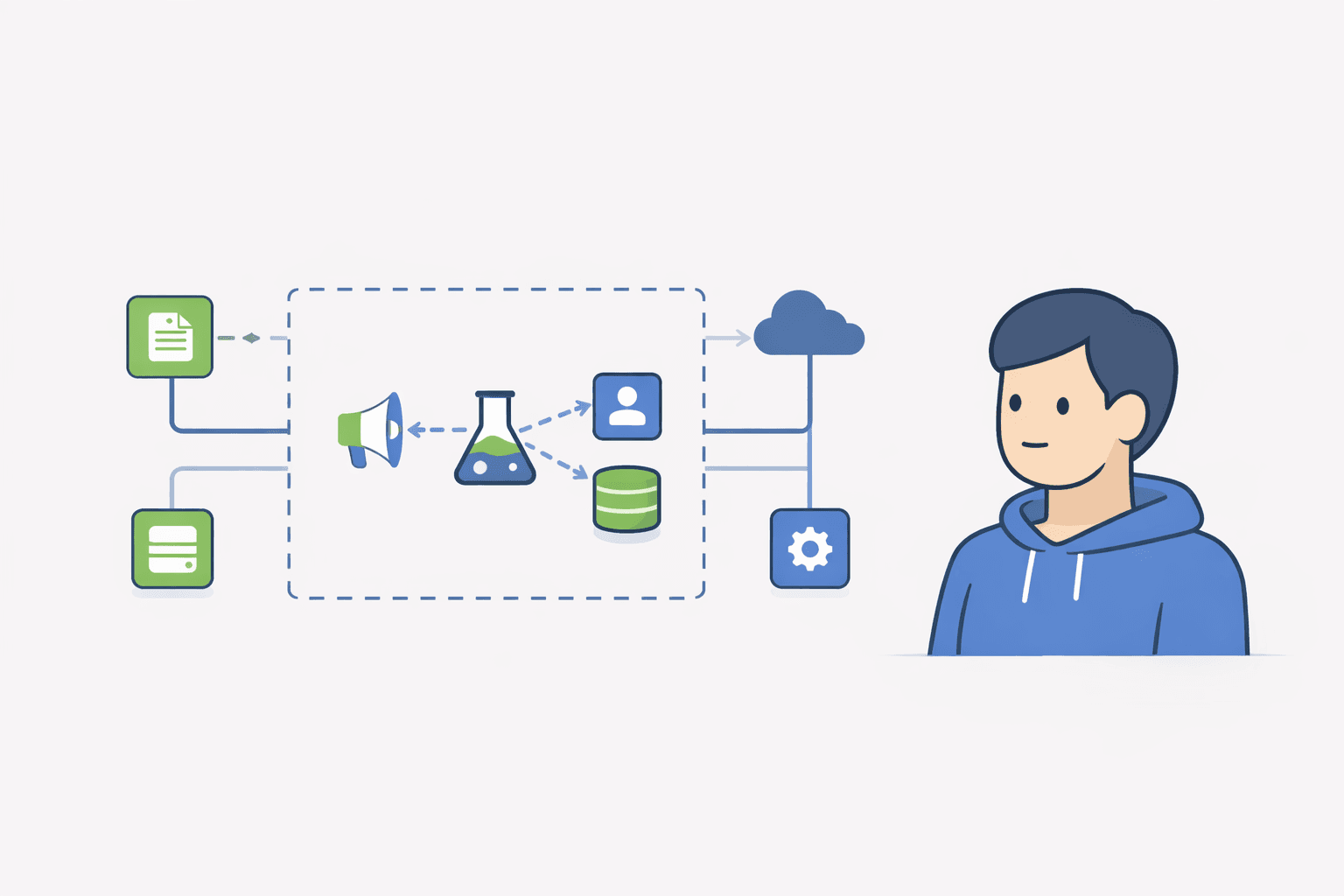
Affiliate portal features checklist for SaaS

If you want affiliates to promote you consistently, the portal has to answer basic questions without a support ticket. This is a practical checklist of affiliate portal features for SaaS, plus a simple default layout you can ship fast.

Table of contents

What an affiliate portal is (and what it is not)

An affiliate portal is not a fancy dashboard. It is a shared source of truth. Affiliates use it to get links, see what was credited, and understand when they will be paid.

If the portal hides rules or mixes pending and approved earnings, you will end up answering the same questions every payout cycle.

The workflow (inputs, rules, edge cases, outputs)

Inputs

  • Affiliate link clicks (and deep link destinations)
  • Coupon usage (if allowed)
  • Conversions and paid invoices
  • Refunds and chargebacks

Rules

  • Attribution window
  • Conflict rule (coupon vs link)
  • Commission model
  • Payout schedule and threshold
  • Refund clawback policy

Edge cases

  • Refund after payout
  • Customer upgrades and downgrades
  • Multiple partners touching one customer
  • Coupon leakage

Outputs

  • Pending earnings
  • Approved earnings
  • Paid earnings
  • Payout export summary

Must-have portal features (checklist)

  • Links: a primary affiliate link and a clear explanation of what it does
  • Deep links (optional): allowlisted destinations so affiliates can match landing pages to their pitch
  • Earnings table with statuses: pending, approved, paid, canceled
  • Rules block: attribution window, payout schedule, payout threshold, refund rule
  • Payout history: date, amount, method, and adjustments
  • Adjustments ledger: refunds and clawbacks shown as line items
  • Creative assets: a small set of approved screenshots, logos, and one-paragraph positioning
  • Support path: one link to contact you, plus the top 5 FAQ
  • Top summary: clicks, conversions, approved amount, next payout date
  • Links section: primary link + deep link builder (if you support it)
  • Earnings section: table with pending vs approved vs paid
  • Rules section: short, plain English rules with a link to full terms
  • Payouts section: history + adjustments ledger

Copy/paste templates (rules block)

Template: portal rules summary

Attribution: Last-click within 30 days. Payouts: Monthly (Net 30). Threshold: $50. Refunds/chargebacks: Related commissions are canceled; if already paid, they may be deducted from the next payout.

Implementation steps

Step 1: Ship statuses before analytics

Affiliates care more about pending vs approved vs paid than they care about perfect click tracking graphs. Get statuses right first.

Step 2: Publish rules in the portal

Put the rules next to the numbers. If the rules are hidden, every question becomes a dispute.

Step 3: Add a ledger for refunds and adjustments

Do not bury clawbacks. Show them as line items. It feels fair even when the number goes down.

Common mistakes

  • Combining pending and approved earnings. Fix: separate them clearly.
  • No refund visibility. Fix: show cancellations and clawbacks as line items.
  • Allowing any deep link destination. Fix: use an allowlist.
  • Hiding payout timing. Fix: show next payout date and schedule at the top.

Metrics

  • Support tickets per payout cycle (should drop)
  • Disputed credits per 100 conversions
  • Active affiliates per month
  • Time to first payout (from first conversion)

FAQ

Do I need a portal to start an affiliate program?

You can start without one, but you will spend more time answering questions. A simple portal pays for itself as soon as you have more than a handful of partners.

What is the most important portal feature?

Statuses and rules. If affiliates understand what is pending, what is approved, and when they get paid, most problems disappear.

Final takeaway and next step

A good affiliate portal reduces confusion more than it increases motivation. That is a win. Ship a simple portal that makes rules and statuses obvious, then iterate.

Next step today: add statuses (pending, approved, paid) and a rules block to your portal, then run one payout cycle and track disputes.

Want this Playbook in your inbox?

I share practical notes on affiliate programs for SaaS.No spam. No hype.

Unsubscribe anytime. No spam.

Ready to launch?

If Rewardful feels like overkill, start simple: signup page + links + Stripe-attributed revenue.

Related posts

Affiliate platform migration checklist and questions

Affiliate platforms: questions to ask before you migrate (SaaS)

A practical checklist for migrating affiliate platforms in SaaS: what to export, how to compare ledgers, how to handle refunds and clawbacks, and the safest cutover plan.

Read article

Affiliate tracking for subscriptions: events and edge cases

Affiliate tracking for subscriptions: what changes vs one-time sales (a practical guide)

A founder-friendly guide to affiliate tracking for SaaS subscriptions: which event earns commission, how to handle trials and plan changes, how recurring commissions work, and the tests that catch broken attribution.

Read article