
Affiliate platforms: questions to ask before you migrate (SaaS)
A practical checklist for migrating affiliate platforms in SaaS: what to export, how to compare ledgers, how to handle refunds and clawbacks, and the safest cutover plan.
Read articleLet affiliates deep-link — without sending traffic to weird places
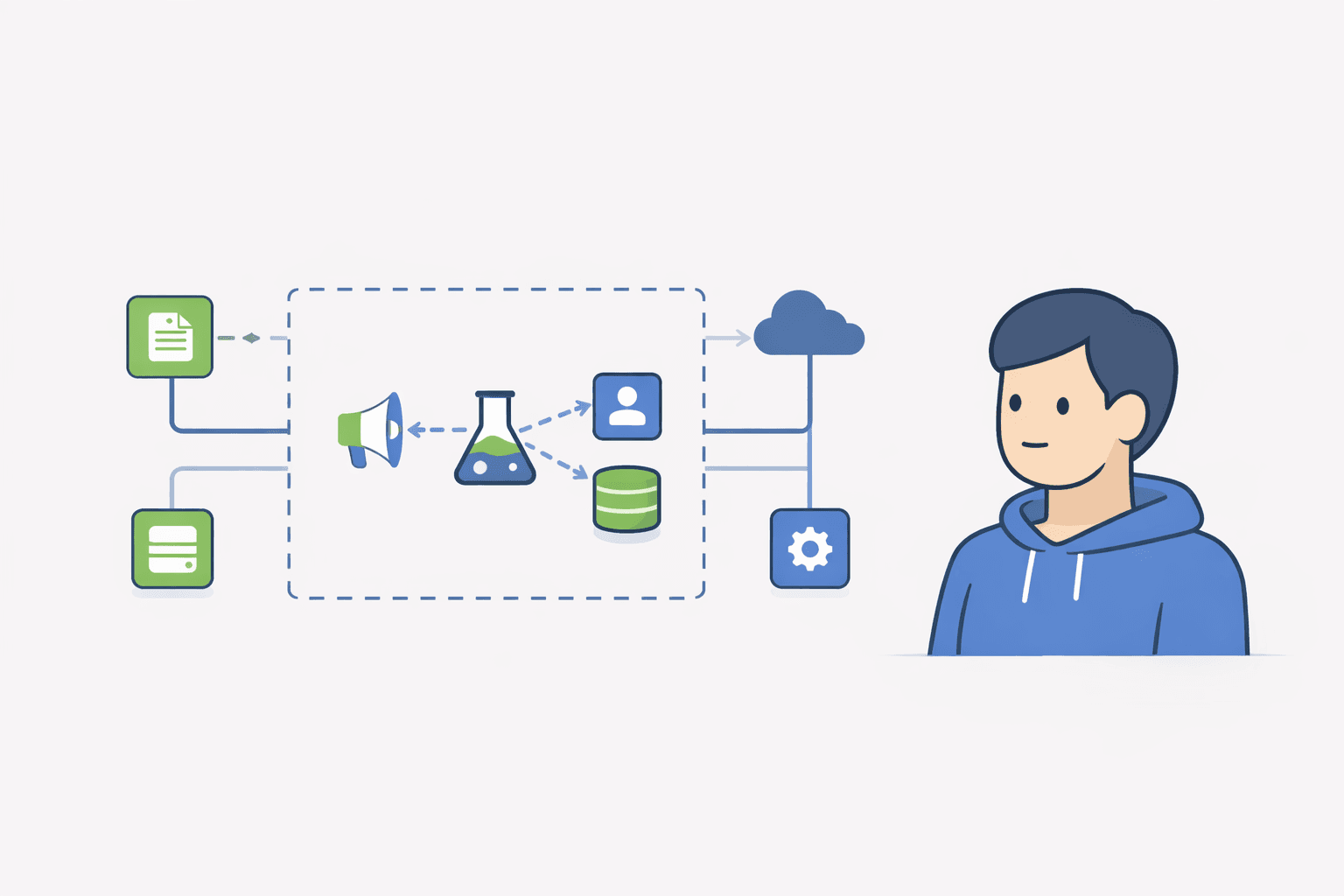
Deep links make affiliates more effective: they can send traffic straight to a comparison page, a pricing section, or a setup guide. The risk is also obvious: if you let partners link to anything, you lose control of where your brand appears and which pages get attributed.
This guide gives you a simple, brand-safe set of destination rules you can publish (and enforce) in a SaaS affiliate program: what to allow, what to block, how to prevent bypasses, and copy/paste policy text.
Destination rules are your constraints on where an affiliate link is allowed to send visitors. In practice, these rules protect three things: (1) your brand, (2) attribution fairness, and (3) your ability to debug disputes.
Start with a small allowlist of marketing pages that represent your product accurately and convert well. If a page is not meant for acquisition, do not allow it as an affiliate destination.
Rule of thumb: if you would not run a paid ad to that page, do not allow affiliates to deep-link to it.
Block destinations that create attribution disputes, security risk, or a bad brand experience. Most SaaS teams should block these by default:
These pages are where tracking breaks first: sessions change, cookies are blocked, and you cannot easily explain why an affiliate got (or didn’t get) credit.
If you support deep links, assume someone will eventually try to bypass your rules. You do not need paranoia — you just need normalization:
| Approach | What it is | Pros | Cons |
|---|---|---|---|
| Allowlist only | Affiliate can choose from approved destinations | Simplest + safest | Needs you to maintain the list |
| Prefix-based rules | Allow /blog/* and /pricing, block /app/* | Easy to implement | Edge cases creep in (query params, redirects) |
| Manual review exceptions | Partners request a destination; you approve it | Maximum control | Ops load (but only when needed) |
Allowed destinations: Affiliate links and deep links may point only to our public marketing pages on tinyaffiliate.com. Login, app, billing, and admin pages are not allowed unless explicitly approved in writing.
Enforcement: We may reject, disable, or modify affiliate links that violate destination rules or create brand, security, or fraud risk. Repeated violations may result in account termination.
Usually no. Signup pages are where tracking becomes hardest to explain. If you allow it, do it intentionally and document it as an exception.
Allow a minimal set (often UTM params). The larger the allowed set, the harder it is to prevent bypass and debug disputes.
I share practical notes on affiliate programs for SaaS.No spam. No hype.
Unsubscribe anytime. No spam.
Ready to launch?
If Rewardful feels like overkill, start simple: signup page + links + Stripe-attributed revenue.
A practical checklist for migrating affiliate platforms in SaaS: what to export, how to compare ledgers, how to handle refunds and clawbacks, and the safest cutover plan.
Read article
A founder-friendly guide to affiliate tracking for SaaS subscriptions: which event should earn commission, how to handle trials and plan changes, how recurring commissions work, and the tests that catch broken attribution.
Read article