
Affiliate platforms: questions to ask before you migrate (SaaS)
A practical checklist for migrating affiliate platforms in SaaS: what to export, how to compare ledgers, how to handle refunds and clawbacks, and the safest cutover plan.
Read articleHow to run LemonSqueezy affiliate tracking with fewer disputes and cleaner payouts
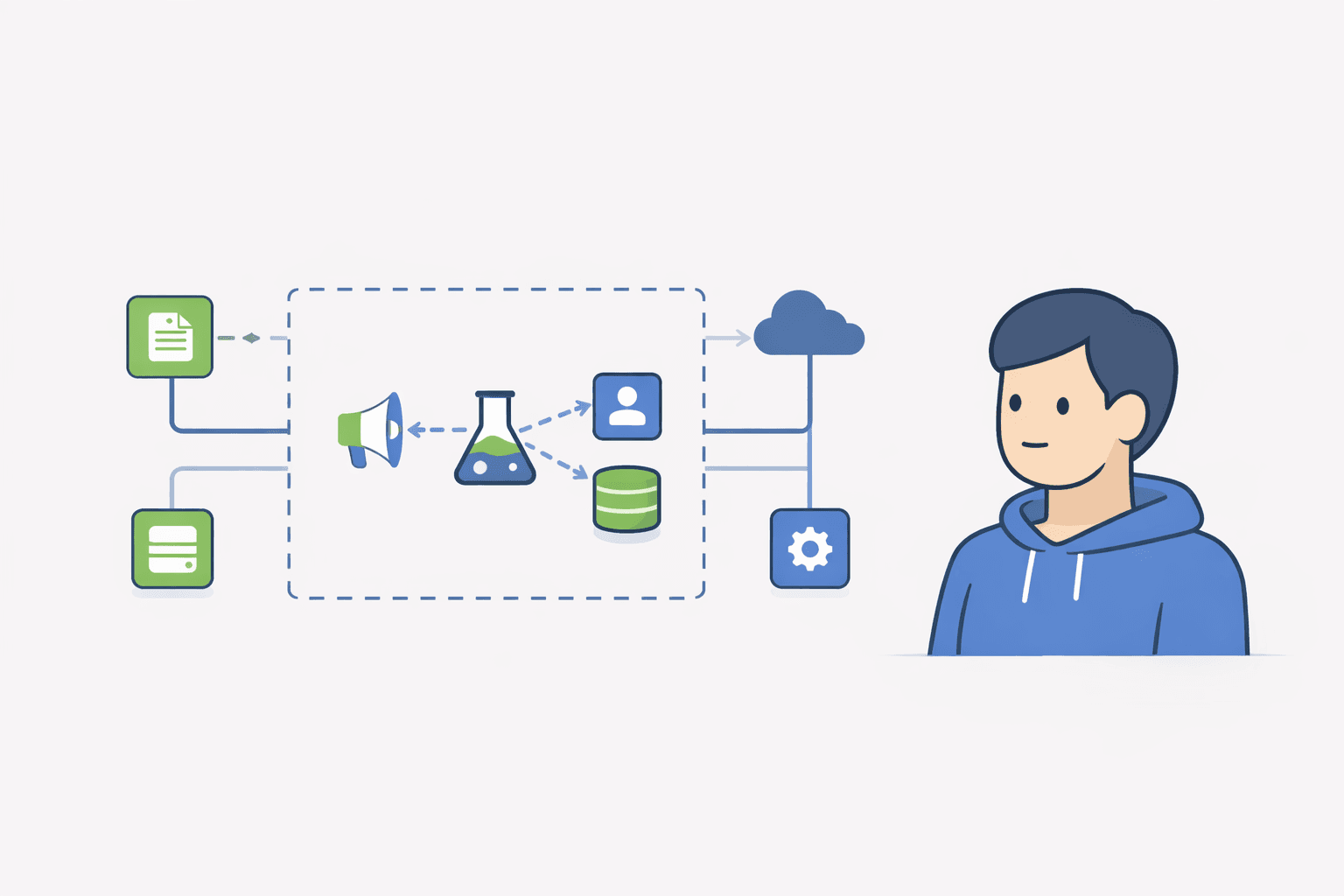
This is for SaaS founders using LemonSqueezy who want an affiliate program that is easy to run, easy to audit, and doesn’t turn refunds into a mess. You’ll get a clear decision process, a default setup, and copy/paste policy text.
For most micro SaaS teams, the best LemonSqueezy affiliate tracking setup is link-first attribution, coupon fallback only for named partners, first paid order as the conversion event, monthly Net-30 payouts, and a written refund plus clawback rule.
In practice, ‘affiliate tracking’ means you can attribute a paid order/subscription to a partner and calculate what you owe them. The hard part is not tracking a click — it’s defining the rules so payout day is boring: attribution window, coupon vs link conflicts, refunds/chargebacks, and payout timing.
Here are four common approaches founders use. None is perfect — the goal is to choose the simplest one you can operate consistently.
| Option | Who it fits | What breaks first | Main risk |
|---|---|---|---|
| Coupon-only attribution | Creators who insist on a code | Code leakage / purchases without code | You pay for discounts you didn’t want |
| Link-only attribution | You want clean attribution without discounting | Cross-device + cookie resets | Partners feel under-credited |
| Link + coupon fallback | Most early-stage programs | You need a conflict rule | Disputes if rule isn’t written |
| Manual review + exports | <20 active affiliates and you want maximum control | Refunds complicate history | Ops load grows and you stop recruiting |
This setup is founder-friendly: it’s explainable, minimizes discount leakage, and is easy to audit when someone asks ‘why wasn’t I credited?’
| Decision | Recommended default | Why |
|---|---|---|
| Primary attribution | Link-based last-click | Cleaner than coupon-only programs for SaaS |
| Coupon usage | Named-partner fallback only | Reduces code leakage and unnecessary discounting |
| Conversion event | First paid order | Avoids paying on weak-intent trials or signups |
| Approval timing | After the refund window | Prevents immediate clawback drama |
| Payout ops | Monthly review + payout export | Founder-friendly and easy to audit |
Primary attribution: We attribute a conversion to the last affiliate link click within 30 days.
Coupon fallback: If a coupon code is used, we attribute the conversion to the coupon owner unless a different affiliate link click happened within the last 24 hours.
Refunds/chargebacks: If a purchase is refunded or charged back, the related commission is canceled. If we already paid it, we may deduct it from a future payout.
Payouts: Monthly (Net-30). Threshold: We pay commissions once an affiliate’s net payable balance reaches $50.
Usually not in the complete founder sense of the term. You may have useful building blocks, but you still need your own attribution rule, refund treatment, and payout workflow if you want audit-ready affiliate ops.
For most small SaaS teams, the safest default is link-based attribution, coupons only as a fallback for named partners, first-paid-order conversion, and monthly Net-30 payouts after a manual review pass.
Yes — the key is choosing a simple attribution method and defining refund + payout rules so you can explain numbers consistently.
Not by default. Start with a one-time commission on the first paid order. Add recurring commissions only after you’ve run a few payout cycles and refunds are predictable.
LemonSqueezy affiliate tracking works best when you keep it simple: pick one primary attribution method, write the conflict + refund rules down, and run a payout process you can audit.
Next step today: publish your link vs coupon rule and your refund/clawback rule in plain English (1 page). Then run a test payout export to make sure you can reconcile commissions back to paid orders.
I share practical notes on affiliate programs for SaaS.No spam. No hype.
Unsubscribe anytime. No spam.
Ready to launch?
If Rewardful feels like overkill, start simple: signup page + links + Stripe-attributed revenue.
A practical checklist for migrating affiliate platforms in SaaS: what to export, how to compare ledgers, how to handle refunds and clawbacks, and the safest cutover plan.
Read article
A founder-friendly guide to affiliate tracking for SaaS subscriptions: which event should earn commission, how to handle trials and plan changes, how recurring commissions work, and the tests that catch broken attribution.
Read article