
Affiliate platforms: questions to ask before you migrate (SaaS)
A practical checklist for migrating affiliate platforms in SaaS: what to export, how to compare ledgers, how to handle refunds and clawbacks, and the safest cutover plan.
Read articleIt is not tracking or tools
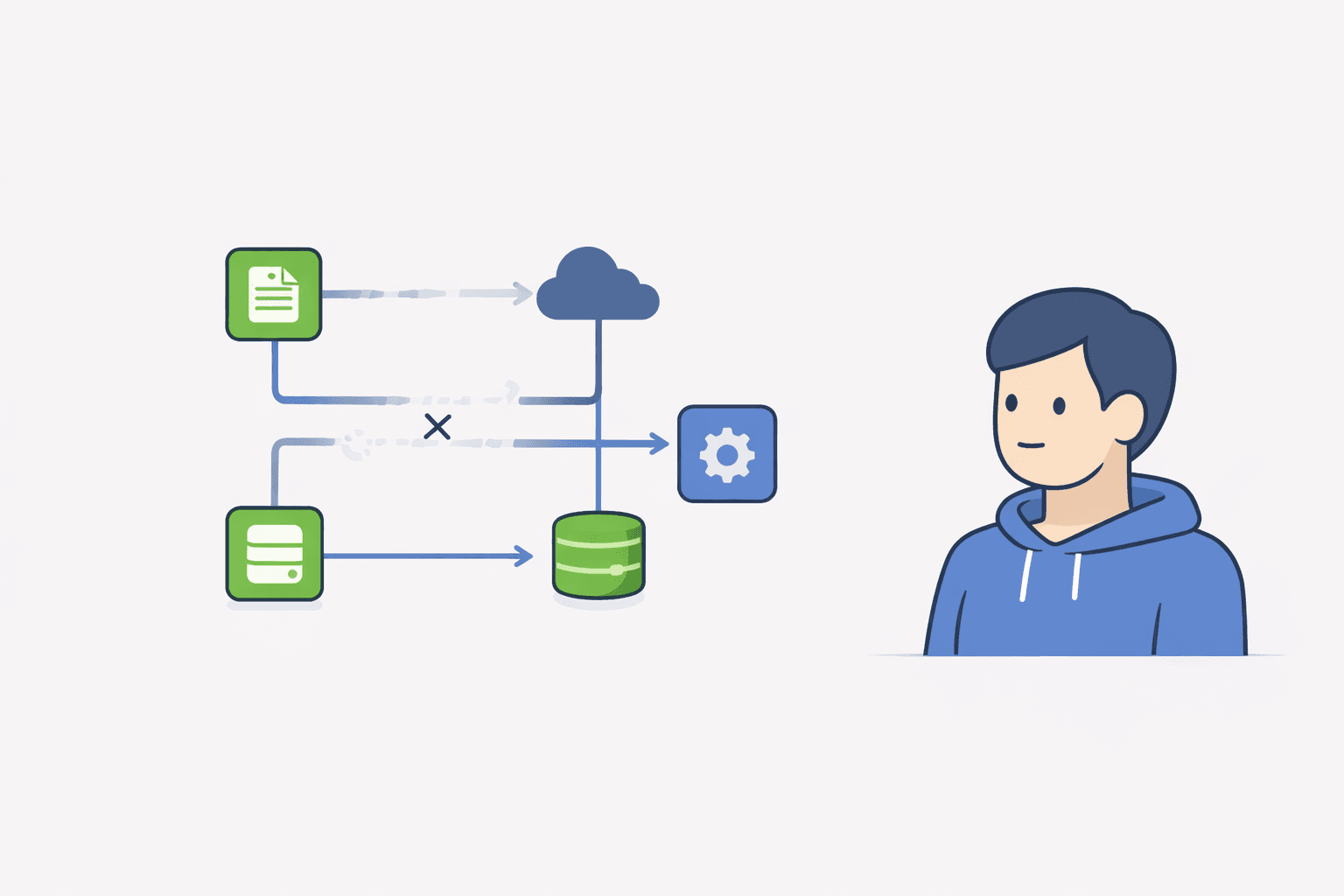
SaaS affiliate programs usually do not fail with a crash. They fade: affiliates disengage, founders stop pushing, payouts slow down, and trust erodes quietly.
This article explains why affiliate programs fail in SaaS and why the real causes have little to do with tracking or software.
Many founders say: We are launching an affiliate program. Without deciding referral, affiliate, or partner; transactional or relationship-based; temporary or long-term. This creates mismatched expectations, constant exceptions, and growing anxiety. Programs do not fail from missing features. They fail from missing clarity.
When affiliates are framed as cheap acquisition or growth without effort, quality drops. Affiliates are not hacks. They are partners with incentives. Programs fail when founders optimize for speed instead of alignment.
Founders often promise lifetime commissions, aggressive percentages, or recurring payouts without caps. These promises feel competitive early and painful later. Obligations made before understanding churn become emotional debt.
Some programs try to abstract payout logic, hide edge cases, or over-automate. When something breaks, founders cannot explain numbers and affiliates lose confidence. Complexity does not disappear when hidden. It returns as mistrust.
Affiliates care about when they get paid, how predictable it feels, and whether issues are explained. Late or inconsistent payouts quietly kill programs even when commissions are high.
Once a program feels broken, founders avoid touching it, affiliates disengage, and fixing it feels risky. Programs rarely die from one mistake. They die from avoided decisions.
Affiliate programs do not fail because of tools. They fail because expectations are not defined, promises outpace understanding, and complexity is ignored. Clarity is the real scaling factor.
If failure comes from overcommitting, the next question is obvious: How do we test affiliates safely without launching the whole thing?
This article is part of the TinyAffiliate Playbook - practical guidance for SaaS founders who want to test affiliate programs without committing too early or losing control.
Lack of clear rules and expectations. Without clarity, trust erodes and the program stalls.
Rarely. Tools are secondary. Programs fail when promises outpace understanding of churn, refunds, and payout logic.
Start with a small, scoped test and define payouts and refund rules before scaling.
I share practical notes on affiliate programs for SaaS.No spam. No hype.
Unsubscribe anytime. No spam.
Ready to launch?
If Rewardful feels like overkill, start simple: signup page + links + Stripe-attributed revenue.
A practical checklist for migrating affiliate platforms in SaaS: what to export, how to compare ledgers, how to handle refunds and clawbacks, and the safest cutover plan.
Read article
A founder-friendly guide to affiliate tracking for SaaS subscriptions: which event should earn commission, how to handle trials and plan changes, how recurring commissions work, and the tests that catch broken attribution.
Read article