
Affiliate platforms: questions to ask before you migrate (SaaS)
A practical checklist for migrating affiliate platforms in SaaS: what to export, how to compare ledgers, how to handle refunds and clawbacks, and the safest cutover plan.
Read articleAffiliate ops isn’t ‘pay people’ — it’s reconciling refunds, upgrades, and net revenue
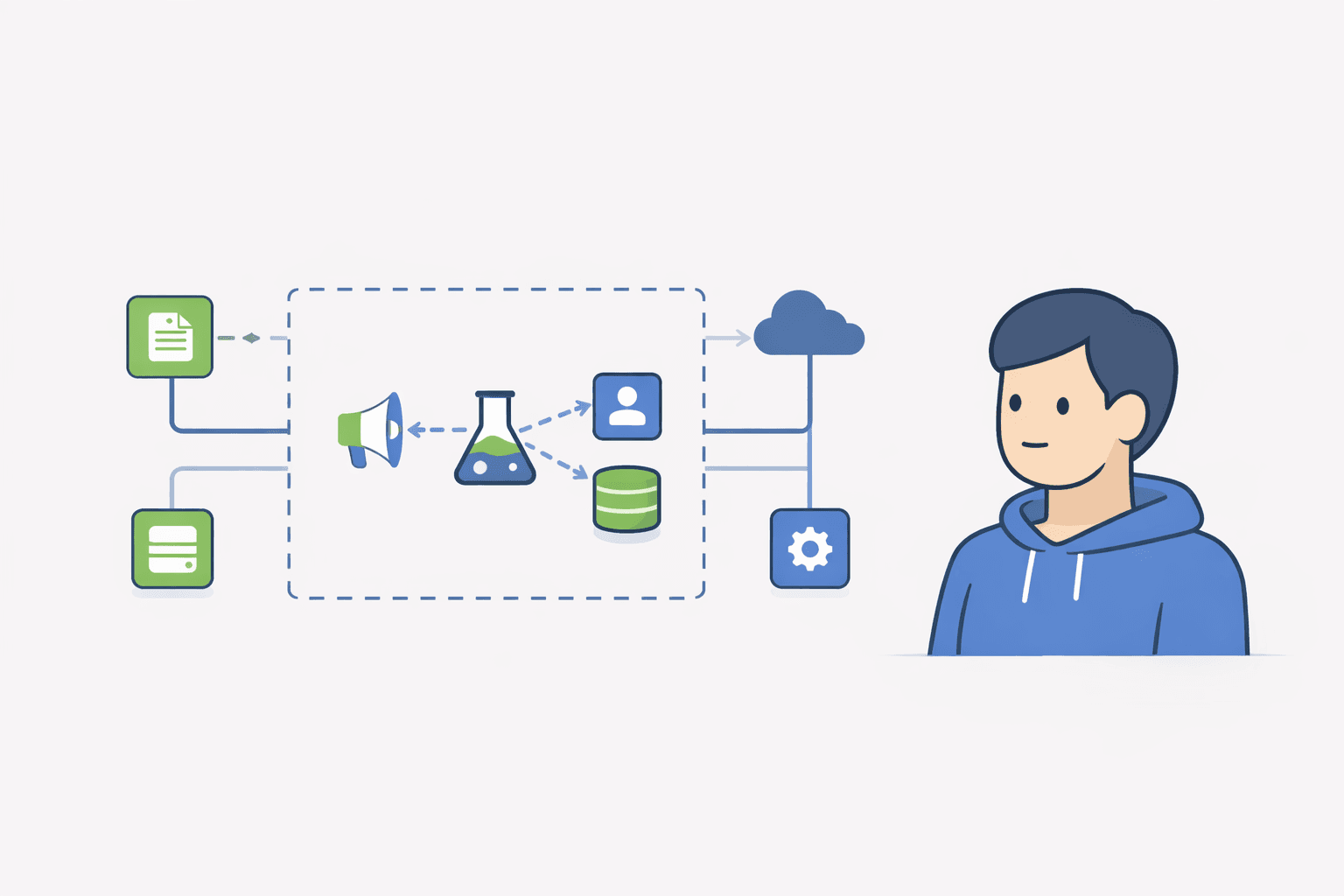
Stripe and Paddle both ‘pay out money’, but they create very different operational realities for affiliate programs. Stripe is infrastructure: you control payout mechanics, but you also own the ledger. Paddle is more platform-like: you get simpler distribution, but you need to understand how that affects timing, reporting, and clawbacks.
The key: affiliates turn refunds, disputes, and subscription changes into recurring edge cases. Your payout model needs to survive those edge cases without turning into a spreadsheet horror story.
In affiliate programs, ‘payouts’ isn’t a single action. It’s a sequence: (1) revenue is collected, (2) commissions are created, (3) commissions stay pending until a policy threshold (refund window, fraud checks), (4) commissions are approved, (5) payments are sent, (6) refunds/chargebacks trigger clawbacks or negative balances. Your payment provider affects how cleanly you can do steps 2–6.
| Category | Stripe payouts | Paddle payouts |
|---|---|---|
| Operating model | You own the payout workflow | More platform-like; payouts are more ‘packaged’ |
| Payout timing | Depends on your Stripe settings/risk/reserves | Depends on Paddle schedule and their payout rules |
| Refund/chargeback impact | You must reconcile and claw back commissions | Still required — verify how refunds appear in reports and timing |
| Exports/audit | Strong primitives; you build the affiliate ledger | You rely on Paddle reports; ensure stable IDs + refund linkage |
| Best fit | You want maximum control + custom payouts | You want simpler distribution and accept constraints |
Regardless of provider, your affiliate ledger needs stable keys. If you standardize these fields, switching providers later is survivable:
Refunds are the #1 reason affiliate programs become messy. The clean workflow is:
When evaluating Paddle vs Stripe, the important question is not ‘can I refund?’ — it’s ‘can I export a refund that reliably maps back to the original paid order in a way my affiliate ledger can consume?’
If you pay recurring commissions, upgrades/downgrades are unavoidable. Verify that your provider’s events/exports make these changes legible: which subscription changed, when, and what the new billing amount is. If you can’t explain MRR changes, you can’t explain commissions.
They care about predictable approvals and getting paid on time. The provider choice matters indirectly: it changes how consistent your reporting and clawbacks feel.
Start with a single approval delay (e.g., 30 days), pay monthly, and keep a strict refund-aware clawback rule. Then automate exports into one ledger (even if it’s a Google Sheet at first).
I share practical notes on affiliate programs for SaaS.No spam. No hype.
Unsubscribe anytime. No spam.
Ready to launch?
If Rewardful feels like overkill, start simple: signup page + links + Stripe-attributed revenue.
A practical checklist for migrating affiliate platforms in SaaS: what to export, how to compare ledgers, how to handle refunds and clawbacks, and the safest cutover plan.
Read article
A founder-friendly guide to affiliate tracking for SaaS subscriptions: which event should earn commission, how to handle trials and plan changes, how recurring commissions work, and the tests that catch broken attribution.
Read article