
Affiliate platforms: questions to ask before you migrate (SaaS)
A practical checklist for migrating affiliate platforms in SaaS: what to export, how to compare ledgers, how to handle refunds and clawbacks, and the safest cutover plan.
Read articleThe decision is not fees. It is whether refunds and payouts stay auditable.
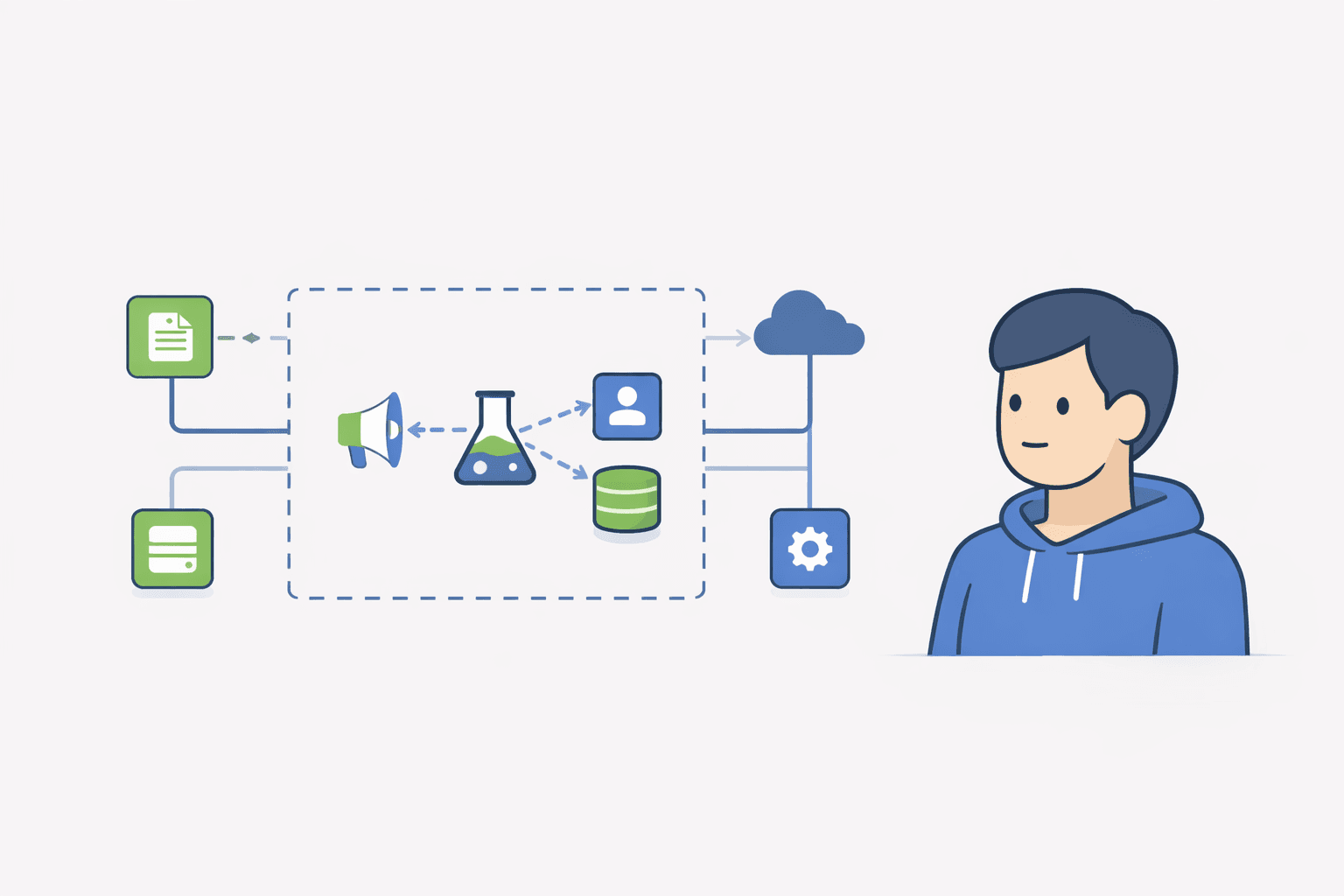
Choosing a payment provider is not just a checkout decision. If you plan to run affiliates, it becomes an operations decision: can you reconcile orders, refunds, disputes, fees, and payouts into a commission ledger you trust?
This guide gives you a simple way to evaluate providers like Stripe, Paddle, LemonSqueezy, Polar, and merchant-of-record setups specifically for affiliate program ops, not generic fee comparisons.
Pick the provider that makes affiliate reconciliation boring. Stripe is often the right fit when you want maximum billing control and can own more ops. Paddle or another merchant-of-record style setup often fits better when tax handling and a more packaged global selling workflow matter more than flexibility. In both cases, refunds, disputes, and payout timing matter more than headline fees.
Affiliate programs add a second accounting layer. You are no longer just tracking revenue — you’re tracking what portion of net, collectible revenue is owed to partners, and when it becomes safe to pay.
So the payment provider question becomes: can you reliably map (payment → refund/chargeback → net revenue) to a stable order/invoice id and customer id? If you can’t, payouts will feel random.
Pick the provider that makes this workflow boring: export last month’s payments, refunds, fees, and disputes, compute net revenue per order, and produce an affiliate payout report with no manual guesswork.
If two providers are close, choose the one that reduces your irreversible risk: predictable payout timing + clean refund linkage beats slightly lower fees.
You don’t need perfection, but you do need clarity: refund window, payout cadence, and an export you can reconcile. If those are unclear, affiliates will surface the chaos quickly.
Last-click attribution, commissions pending for 30 days, monthly payouts (Net-30), pay on net revenue, and a clear clawback rule for refunds/chargebacks.
I share practical notes on affiliate programs for SaaS.No spam. No hype.
Unsubscribe anytime. No spam.
Ready to launch?
If Rewardful feels like overkill, start simple: signup page + links + Stripe-attributed revenue.
A practical checklist for migrating affiliate platforms in SaaS: what to export, how to compare ledgers, how to handle refunds and clawbacks, and the safest cutover plan.
Read article
A founder-friendly guide to affiliate tracking for SaaS subscriptions: which event should earn commission, how to handle trials and plan changes, how recurring commissions work, and the tests that catch broken attribution.
Read article