
Affiliate platforms: questions to ask before you migrate (SaaS)
A practical checklist for migrating affiliate platforms in SaaS: what to export, how to compare ledgers, how to handle refunds and clawbacks, and the safest cutover plan.
Read articleControl (Stripe) vs a simpler, productized revenue stack (Polar)
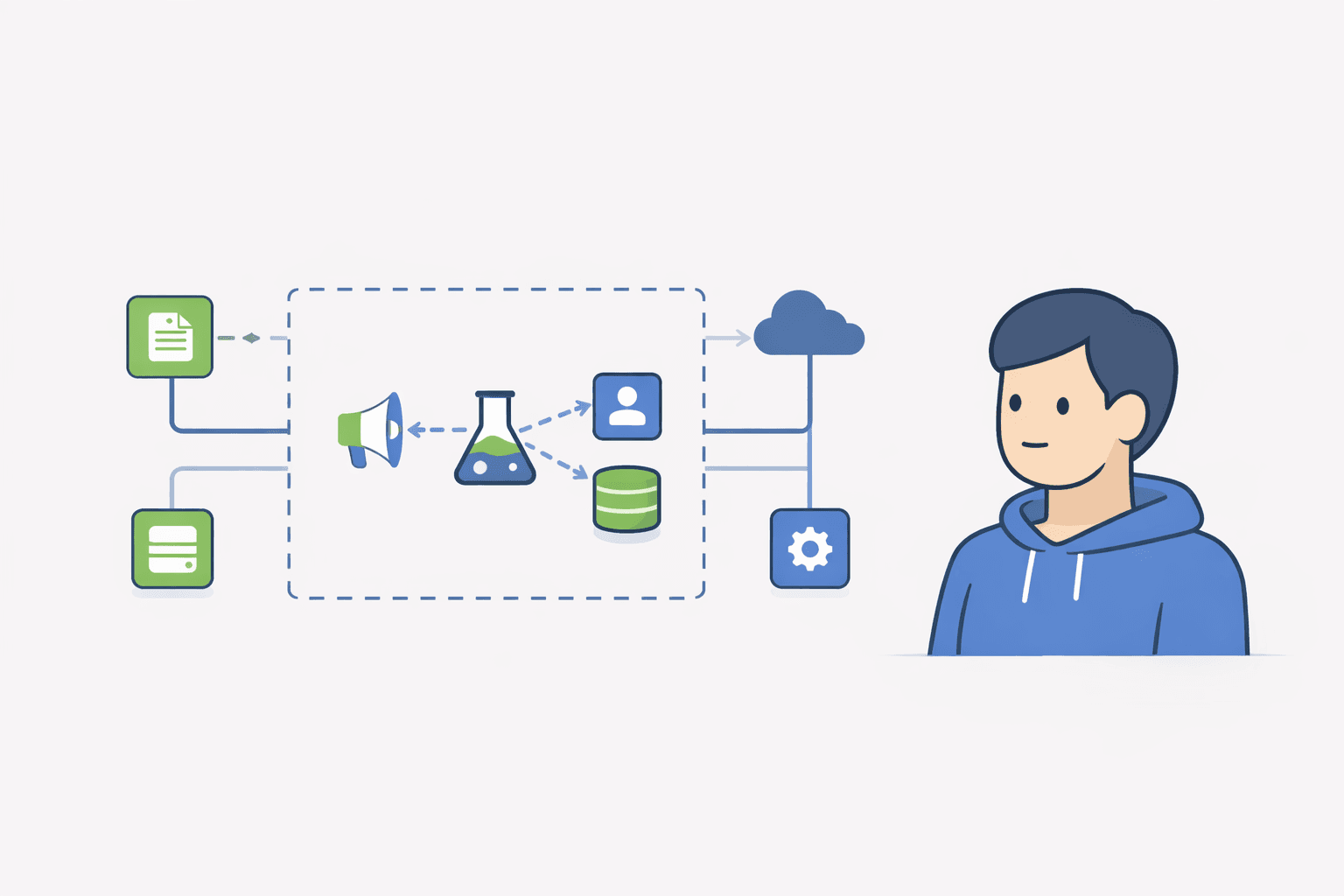
Stripe is payment infrastructure. Polar is closer to a productized revenue layer with opinionated workflows. For a micro-SaaS, the question is: do you want maximum control (and more surface area), or a simpler set of defaults (and more constraints)?
If you plan to run affiliates, optimize for boring reconciliation: paid → refunded/charged back → net revenue → commission adjustments. Affiliates amplify edge cases — that’s where payment provider decisions show up.
With Stripe, you assemble a stack: checkout, subscriptions, taxes, invoicing, dunning, webhooks, exports, and internal reporting. With Polar, you typically accept a more integrated, opinionated flow. That can be a huge win if you want fewer moving parts — as long as Polar supports the edge cases you’ll hit (refunds, upgrades/downgrades, retries, disputes, and reporting).
| Category | Stripe | Polar |
|---|---|---|
| Setup speed | Fast, but you’ll glue pieces together | Often faster end-to-end if the defaults fit |
| Flexibility | Highest (custom everything) | More opinionated constraints |
| Taxes/VAT | You configure + integrate tax handling | Verify what’s handled by default and what you still own |
| Refunds/chargebacks | You manage evidence and workflows | Verify dispute/refund tooling + exports for audit |
| Reporting/exports | Strong, but you must build your own affiliate ledger | Verify stable IDs + exports for refunds and subscriptions |
| Best fit | You expect custom billing + integrations | You want simplicity and your use case matches the product |
Affiliate tracking is easy to start and hard to operate. Your payment provider choice matters because affiliates create refund/upgrade edge cases — and those edge cases become support tickets if your reporting isn’t auditable.
| Affiliate ops need | What to verify with Stripe | What to verify with Polar |
|---|---|---|
| Refund-aware commissions | Events/exports tying refunds to invoices/payments | Exports tying refunds to original orders/subscriptions |
| Subscription changes | Mapping upgrades/downgrades to MRR changes | How plan changes appear in exports + IDs |
| Delay approvals | Policy + implementation is on you | Same — confirm you can keep commissions pending |
| Audit trail | Store invoice/customer ids consistently | Stable order/subscription/customer ids in reports |
Think of Polar as a different operating model. Stripe is a toolkit; Polar is more of a packaged revenue workflow. Whether it ‘replaces’ Stripe depends on your needs and how much control you require.
Choose the provider where refunds, subscription changes, and exports are the cleanest for you to reconcile. Affiliates don’t just add traffic — they add accounting edge cases.
I share practical notes on affiliate programs for SaaS.No spam. No hype.
Unsubscribe anytime. No spam.
Ready to launch?
If Rewardful feels like overkill, start simple: signup page + links + Stripe-attributed revenue.
A practical checklist for migrating affiliate platforms in SaaS: what to export, how to compare ledgers, how to handle refunds and clawbacks, and the safest cutover plan.
Read article
A founder-friendly guide to affiliate tracking for SaaS subscriptions: which event should earn commission, how to handle trials and plan changes, how recurring commissions work, and the tests that catch broken attribution.
Read article