
Affiliate platforms: questions to ask before you migrate (SaaS)
A practical checklist for migrating affiliate platforms in SaaS: what to export, how to compare ledgers, how to handle refunds and clawbacks, and the safest cutover plan.
Read articleHow to run Dodo Payments affiliate tracking with clear attribution, fewer disputes, and boring payouts
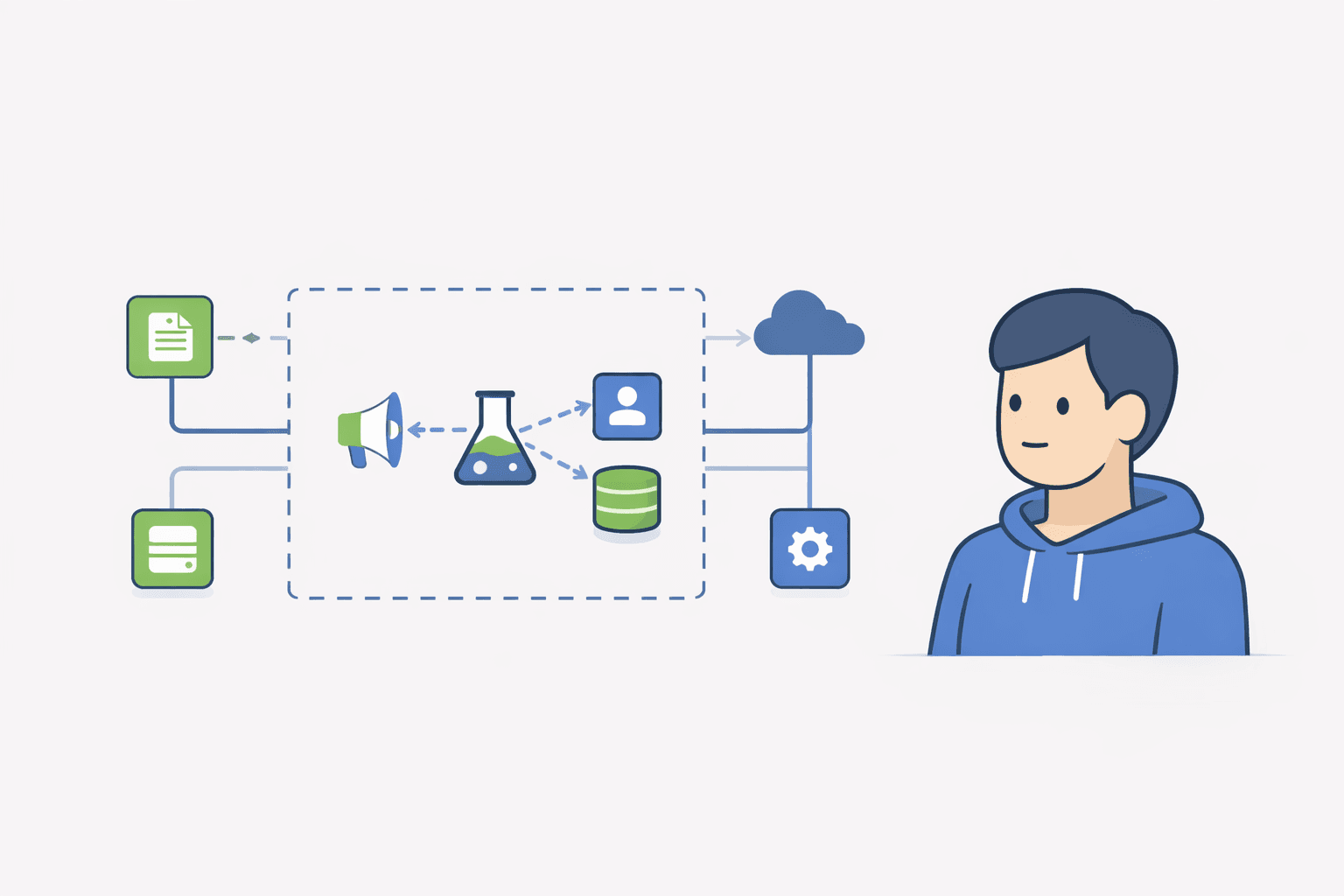
Dodo Payments can be a great way to sell software, but affiliate tracking is rarely a single built-in toggle. In practice, you need (1) an attribution rule you can explain, and (2) a payout workflow you can audit when refunds happen.
If you want the cleanest default for Dodo Payments affiliate tracking, use link-based attribution as the primary signal, allow coupons only as a named-partner fallback, pay on the first paid order, and keep payouts manual until you trust your refund and clawback workflow.
For most SaaS founders, affiliate tracking means you can answer two questions consistently: who should get credit for a purchase, and how much you owe after refunds/chargebacks. Click tracking is the easy part; rules are the hard part.
Most payment providers give you some primitives (checkout links, discounts/coupons, webhook events, and exports). What’s usually missing is a first-class affiliate ledger with statuses (pending/approved/paid) and refund-aware adjustments. That’s why founders end up combining Dodo + a simple ledger (sheet/DB) or an affiliate tool.
| Need | Why it matters | Workaround if missing |
|---|---|---|
| Stable partner identifier | So payouts don’t drift | Assign each affiliate an id and store it in your ledger |
| Attribution rule | Prevents disputes | Publish a 1–2 sentence rule in your affiliate terms |
| Refund linkage | Stops overpaying | Delay approval until the refund window closes |
| Payout-ready export | Boring payout day | Create a monthly payout sheet + manual review step |
Pick the simplest setup you can operate consistently. Consistency beats sophistication, especially in the first 1–3 payout cycles.
| Setup | Who it fits | Pros | Cons |
|---|---|---|---|
| Manual attribution + monthly payouts | <20 active affiliates and you want maximum control | Easy to audit; flexible rules | More ops work; requires discipline |
| Link-based tracking (your redirect) + Dodo checkout | You want clean attribution without discount leakage | Scales well; no coupons required | You must implement a simple redirect + cookie logic |
| Coupon-based attribution | Creators who insist on a code | Works for podcasts/offline shares | Coupon leakage; discount pressure |
This default is founder-friendly: it’s explainable, reduces disputes, and makes refund handling predictable.
| Decision | Recommended default | Why |
|---|---|---|
| Primary attribution | Link-based last-click | Cleaner than coupons for most SaaS funnels |
| Coupon usage | Fallback only for named partners | Reduces code leakage and discount pressure |
| Conversion event | First paid order | Avoids paying on low-intent trials or signups |
| Approval timing | After refund window | Prevents immediate clawback drama |
| Payout ops | Manual review + payout export | Safer until volume is large enough for automation |
Attribution: We attribute a conversion to the last affiliate link click within 30 days before purchase.
Coupon fallback: If a coupon code is used, we attribute the conversion to the coupon owner unless a different affiliate link click happened within the last 24 hours.
Refunds/chargebacks: If a purchase is refunded or charged back, the related commission is canceled. If we already paid it, we may deduct it from a future payout.
Payouts: Monthly (Net-30). Threshold: We pay commissions once an affiliate’s net payable balance reaches $50.
Usually not in the sense founders expect. You may have checkout links, coupons, exports, or webhook events, but you still need your own attribution rule, payout logic, and refund-aware ledger.
For most small SaaS teams, the best setup is link-first attribution, coupon fallback only for named affiliates, first-paid-order conversion, monthly Net-30 payouts, and manual review before each payout cycle.
Yes. Even without a built-in affiliate ledger, you can run a clean program by defining one attribution rule, keeping a simple payout ledger, and reviewing payouts before you pay.
Not by default. Start one-time (first payment). Add recurring only after you’ve run a few payout cycles and you trust your refund/churn behavior.
I share practical notes on affiliate programs for SaaS.No spam. No hype.
Unsubscribe anytime. No spam.
Ready to launch?
If Rewardful feels like overkill, start simple: signup page + links + Stripe-attributed revenue.
A practical checklist for migrating affiliate platforms in SaaS: what to export, how to compare ledgers, how to handle refunds and clawbacks, and the safest cutover plan.
Read article
A founder-friendly guide to affiliate tracking for SaaS subscriptions: which event should earn commission, how to handle trials and plan changes, how recurring commissions work, and the tests that catch broken attribution.
Read article