
Affiliate platforms: questions to ask before you migrate (SaaS)
A practical checklist for migrating affiliate platforms in SaaS: what to export, how to compare ledgers, how to handle refunds and clawbacks, and the safest cutover plan.
Read articleBoring controls that save you from payout drama
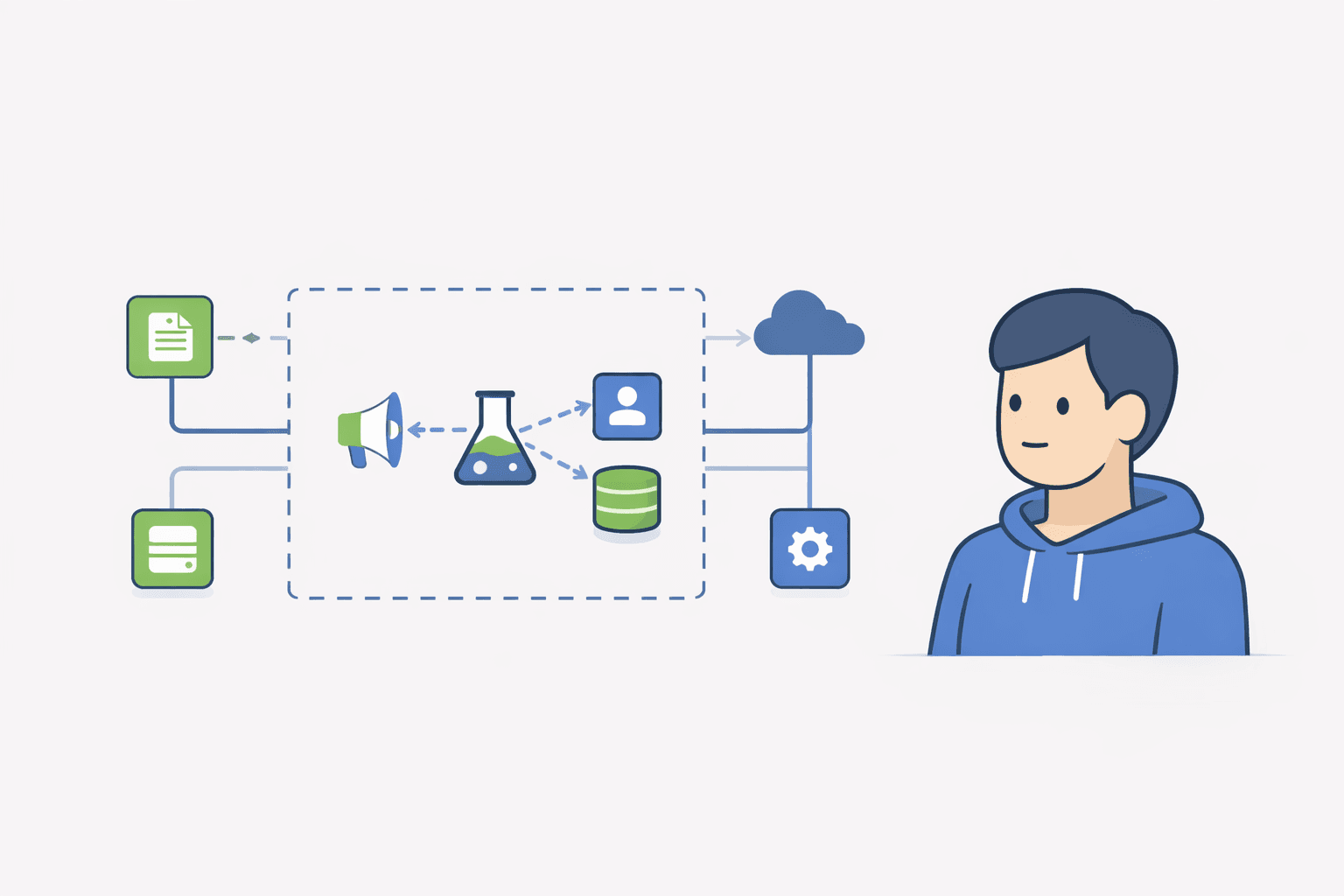
Affiliate fraud is rarely ‘Hollywood hacking’. It’s usually boring: self-referrals, coupon leakage, misleading promos, and traffic that looks real until payout week.
You don’t need a risk team. You need a few defaults: clear rules, payout timing that matches refunds, and a short review checklist.
An affiliate signs up using their own link (or a teammate’s), or routes internal purchases through a ‘partner’ account. This is common when the reward is meaningful and your rule isn’t explicit.
A coupon created for one partner gets scraped, shared on deal sites, or reused by unrelated affiliates. Then content partners get angry because the coupon ‘wins’ at checkout.
Affiliates run ads on your brand name. It can inflate their numbers while stealing conversions you would have gotten directly.
If you pay for leads or pay too early in a trial funnel, you’ll attract ‘lead farms’: signups that never activate or pay.
Affiliates promise things you don’t offer (‘lifetime deal’, ‘guaranteed approval’, ‘official partner’). You may still get paid customers — but churn and refunds spike.
Some partners focus on getting the last click right before purchase (toolbars, popups, ‘coupon’ overlays). This isn’t always ‘illegal’, but it often violates the spirit of your program.
| Check | What you’re looking for | If you find it |
|---|---|---|
| Top 10 affiliates by clicks | High clicks + zero/low conversions | Ask for promo method; pause if suspicious |
| Top 10 by conversions | Unusual spikes; same plan repeated | Sample conversions and validate sources |
| Coupon usage report | Coupons used without a qualifying click | Disable leaked coupons; set coupon attribution rule |
| Refund/chargeback slice | Refunds concentrated in one affiliate | Hold payouts; review messaging |
| Self-referral scan | Customer domain matches affiliate/company | Reverse commissions; clarify terms |
Manual approval helps, but it’s not sufficient. The real protection is payout timing (after refunds) + clear rules + regular reviews.
Not at the start. Most early-stage programs get 80% of the benefit from basic policy + payout delays + a weekly anomaly scan.
I share practical notes on affiliate programs for SaaS.No spam. No hype.
Unsubscribe anytime. No spam.
Ready to launch?
If Rewardful feels like overkill, start simple: signup page + links + Stripe-attributed revenue.
A practical checklist for migrating affiliate platforms in SaaS: what to export, how to compare ledgers, how to handle refunds and clawbacks, and the safest cutover plan.
Read article
A founder-friendly guide to affiliate tracking for SaaS subscriptions: which event should earn commission, how to handle trials and plan changes, how recurring commissions work, and the tests that catch broken attribution.
Read article